News Analysis / Weekly Textile Week 29
Weekly Textile Week 29: Bangladesh Loses EU Apparel Share as Regional Competitors Reposition
Published: 2026-07-18 | Updated: 2026-07-18
Research window: July 12-18, 2026
Weekly textile brief for apparel sourcing teams watching cotton yarn, knitwear costing, Bangladesh production signals and regional competition.
Five numbers this week
New investments cannot yet replace jobs lost in Bangladesh
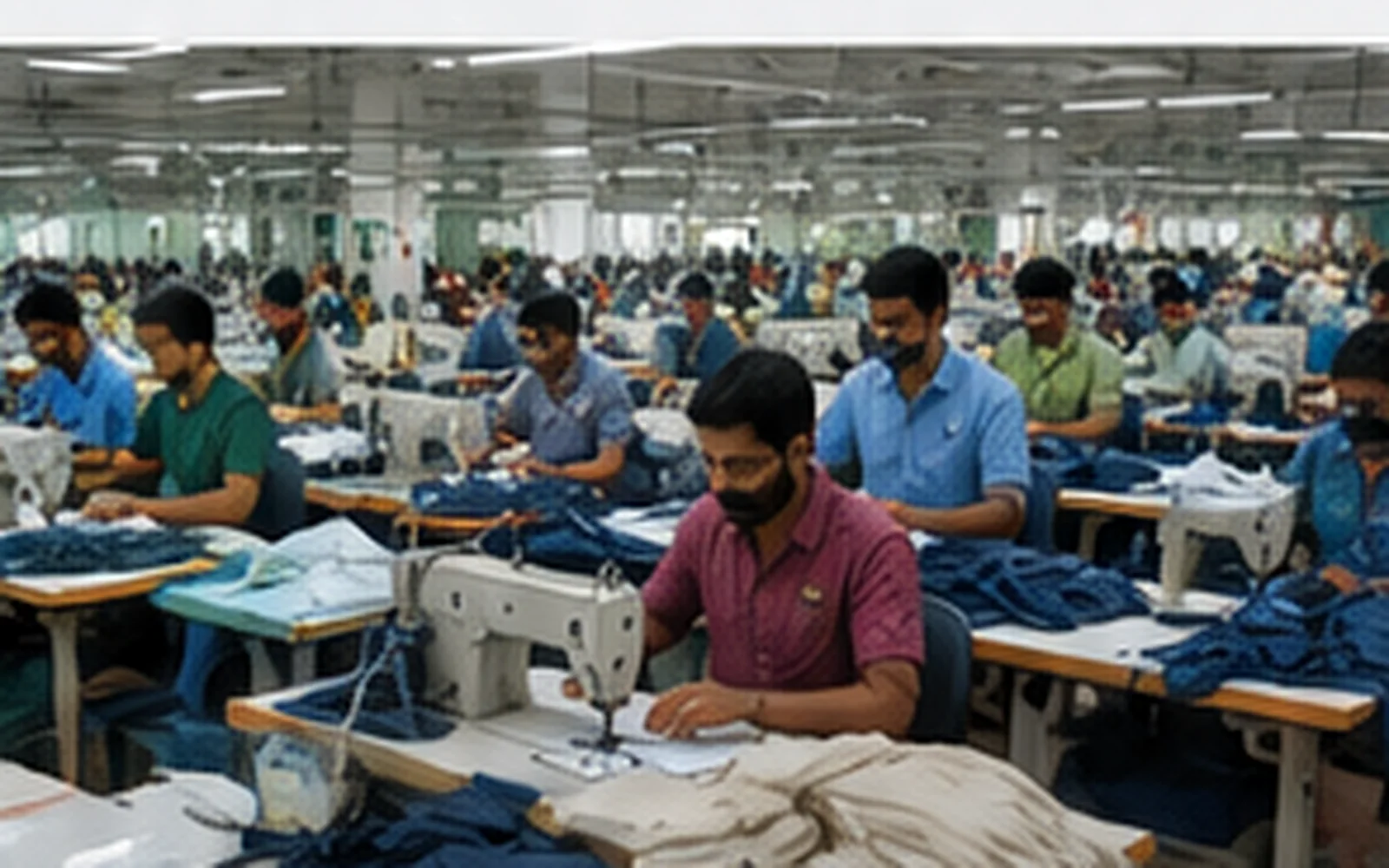
Bangladesh's textile and apparel industry is simultaneously experiencing factory closures and a new round of targeted investment.
Trade-body data reported by The Business Standard indicate that more than 100 factories closed between January and June, while another 50 conducted major layoffs. Approximately 180,000 jobs were reportedly affected.
During the same period, around 70 new factories either began operating or entered the investment pipeline, with more than 60,000 jobs created or expected. The number of incoming jobs remains far below the number lost.
New investments include yarn production, man-made-fibre capacity, accessories, pocketing fabrics, lingerie and related textile-apparel capacity.
Commercial borrowing rates were reported close to 15%, creating a major constraint for new investment. These figures should be presented as reported trade-body and company data rather than an independently audited national census.
Sources: The Business Standard.
Indian textile exports grow, but apparel shipments fall sharply
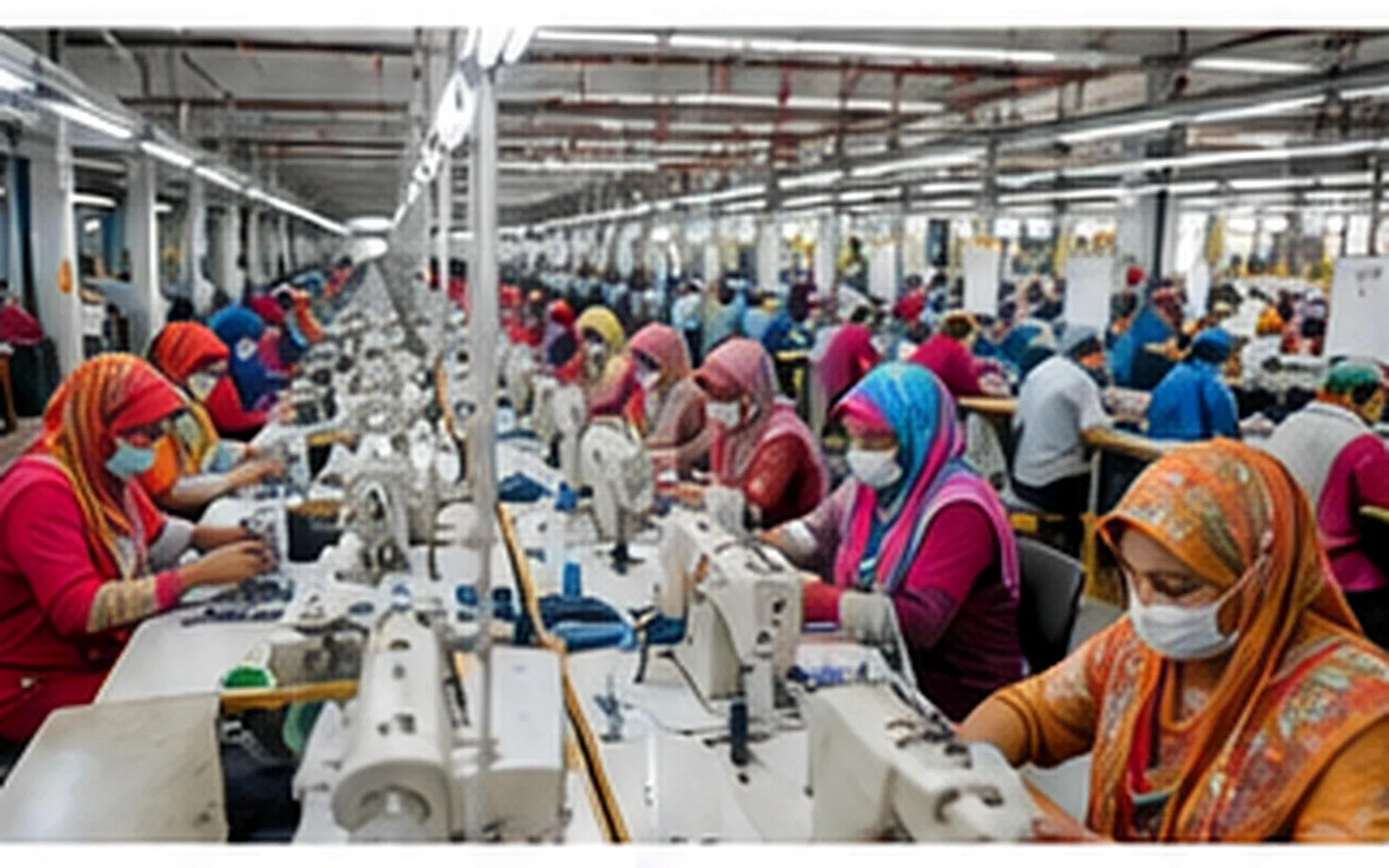
India's textile exports increased 5.19% year-on-year during April-June 2026, while apparel exports declined 12.44%. Combined textile and apparel exports fell 2.95%.
In June, textile exports rose 9.64%, but apparel shipments decreased 11.25%. Industry representatives said textile exporters had been more successful in passing higher raw-material costs to customers, while garment manufacturers found it difficult to raise prices.
Indian yarn prices were reported approximately 20% higher since November. Reduced apparel shipments to the Middle East, particularly the UAE, also affected the quarter's performance.
The data show that upstream textile demand and finished-garment demand are not moving together.
Sources: The Economic Times.
Bharat Tex reports $2.8 billion in business enquiries
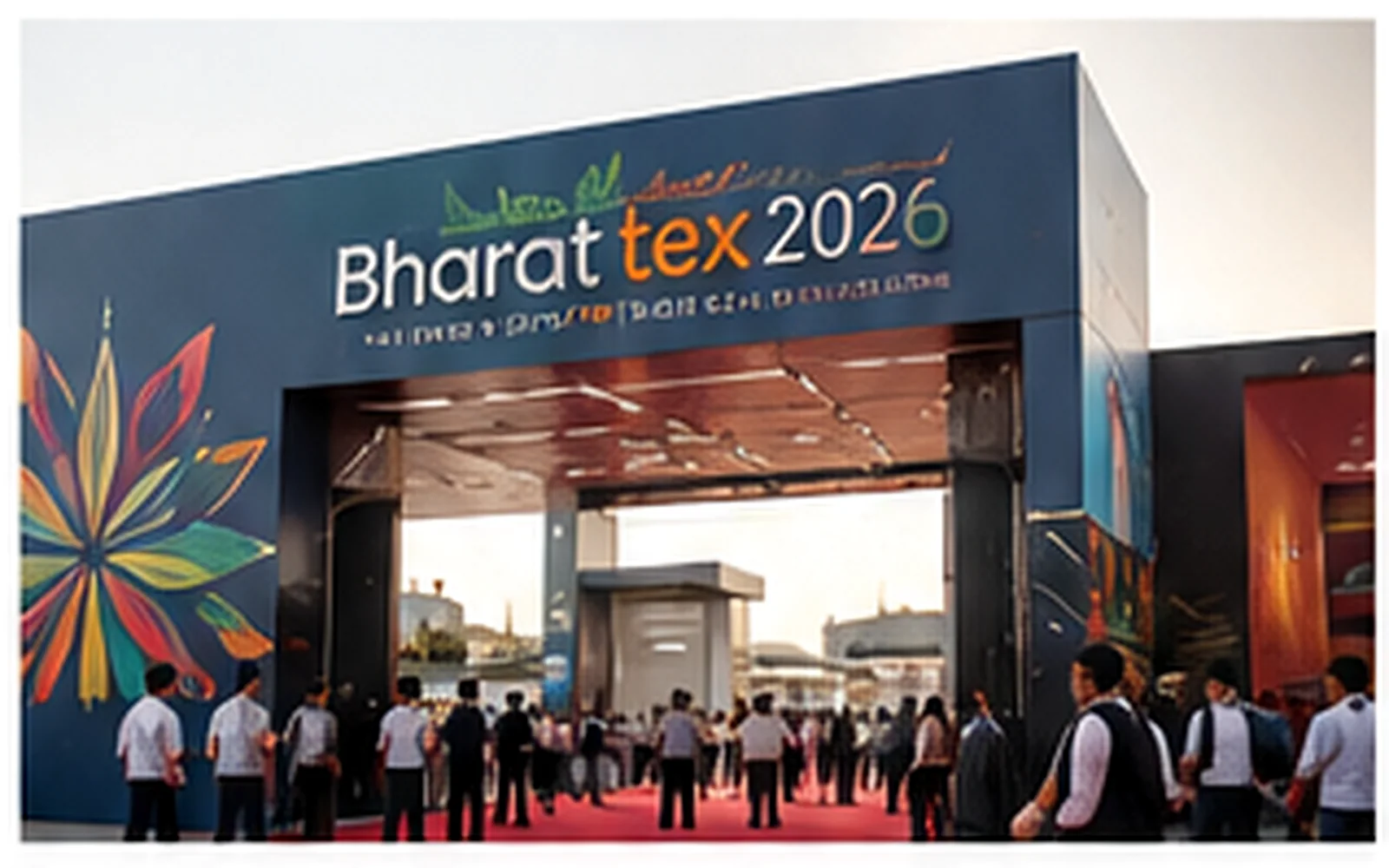
Bharat Tex 2026 concluded on July 17 after attracting 1,647 exhibitors, nearly 95,000 business visitors and 11,315 buyers, including 6,090 international buyers. Participants and delegates came from 138 countries.
India's Textile Ministry reported approximately $2.8 billion in serious business enquiries and textile-investment commitments of around ₹14,300 crore. More than 30 memoranda of understanding were signed by participating states.
Textile-recycling company RE&UP separately announced a planned ₹4,800 crore investment.
These are enquiries and commitments, not completed orders or fully invested capital. Conversion into confirmed business and operating projects remains the key measure.
Sources: The Economic Times / PTI.
Türkiye targets a larger US apparel position
Türkiye currently exports approximately $1.2 billion of apparel annually to the United States, with an industry target of raising that figure to $2 billion over the medium term. First-half exports to the US increased 6% to approximately $420 million.
The United States became Türkiye's fifth-largest apparel export market according to the Turkish source. EHKİB organised the participation of 13 companies at PV Manufacturing New York on July 14-15.
China's apparel exports to the United States reportedly fell 32% in 2025, from $27.7 billion to $19 billion. Vietnam and Cambodia captured much of the resulting business.
Weekly Textile inference: Türkiye is likely to compete through design, responsiveness, quality and flexible production rather than mass-volume cost alone.
Sources: Dünya.

Vietnam's textile exports grow, but garment orders remain uncertain
Vietnam's textile and garment exports were estimated at $22.2 billion during the first half of 2026, an increase of 1.7% from the previous year.
Exports of fibres, yarns, fabrics, accessories and nonwoven products increased by between 5.6% and 10.6%, while finished-garment exports declined 0.4%.
Vietnamese manufacturers face stricter requirements concerning recycled materials, emissions reduction, circularity and supply-chain traceability.
One Vietnamese garment producer reported almost no negotiations for fourth-quarter 2026 orders, while a June customer discussion concerned January 2027 production. This is one company's experience and must not be presented as proof that the entire industry lacks orders.
Vietnam is targeting approximately $49 billion in textile and garment exports for the full year. The source says this would require average monthly exports above $4 billion. It also reports continued dependence on imported raw materials and higher container costs.
Sources: VietnamPlus / Vietnam News Agency.
Weekly Textile assessment
Regional competition is increasingly determined by supply-chain reliability, material diversity and sustainability compliance rather than labour cost alone.
Textile and upstream exports are proving more resilient than finished-garment exports in both India and Vietnam. Brands remain cautious about large apparel programmes even where yarn, fabric and fibre shipments are improving.
Bangladesh faces a critical transition. New investment is entering yarn, man-made fibres and accessories, but the decline in EU market share indicates that capacity must connect to faster product development, credible environmental performance and more diversified apparel categories.
The strongest commercial opportunity may belong to manufacturers that combine Bangladesh-level production economics with faster execution, smaller-programme flexibility, traceable materials and products beyond conventional cotton basics.
Costing consequences
EU-facing programmes
Refresh landed-cost, tariff, lead-time and material comparisons.
Material mix
Review whether cotton-heavy portfolios need credible man-made-fibre, recycled or blended options.
Order visibility
Do not treat upstream fibre or fabric growth as proof of equivalent finished-garment demand.
Capacity decisions
Separate announced investment, pipeline capacity, operating capacity and confirmed order coverage.
Buyer quotations
Keep quotation validity short where yarn, freight and exchange rates are moving.
Compliance
Confirm traceability, recycled content, emissions data and product-level applicability before making buyer claims.
What to watch
- June and July EU apparel-import data.
- Whether Bangladesh's EU share stabilises.
- Conversion of Bharat Tex enquiries into orders.
- Implementation of Indian textile-investment commitments.
- US orders gained by Türkiye, Vietnam and Cambodia.
- Vietnamese fourth-quarter order visibility.
- Bangladesh factory reopening, closure and new-investment data.
- Man-made-fibre and recycled-material capacity additions in Bangladesh.
- Cotton, freight, gas and foreign-exchange changes on Weekly Textile's Market Signals page.
Sources
Why Bangladesh's garment exports to Europe are falling faster than competitors'
Used for Bangladesh's EU apparel-export decline, market-share change, competitor comparisons and diversification context.
Open sourcePolicy promises lift new investors' confidence amid wave of factory closures
Used for reported factory closures, layoffs, job effects, new investment and borrowing-cost context.
Open sourceTextile and apparel exports take a hit in Q1
Used for India's April-June textile and apparel export performance, yarn-cost pressure and Middle East demand context.
Open sourceBusiness enquiries worth $2.8 billion generated at Bharat Tex 2026: Government
Used for attendance, business-enquiry and investment-commitment figures reported after Bharat Tex 2026.
Open sourceTürk konfeksiyonundan ABD atağı: Çin'in boşalttığı pazarda büyüme hedefi
Used for Türkiye's US apparel exports, medium-term target and PV Manufacturing New York participation. Original Turkish report; translated and independently rewritten.
Open sourceNgành dệt may Việt Nam: Quản trị rủi ro vượt 'sóng cả' thị trường
Used for Vietnam's first-half export estimate, product-category performance, sustainability requirements and order-visibility caveat. Original Vietnamese report; translated and independently rewritten.
Open sourceEditorial note: The summaries are original English rewrites and do not reproduce source articles.